
PROJECTS
REVISITING THE ECOLOGY AND EVOLUTION OF BACTERIAL MICRODIVERSITY BY THIRD GENERATION METAGENOMICS (MICRO3GEN). 01/09/2024-31/08/2027.
In this project, we will use the enormous potential of third-generation sequencing together with metagenomics, comparative genomics, environmental data, and computational biology to improve our understanding of the ecological and evolutionary drivers that determine intra-species diversity between closely related naturally occurring populations. The fine-scale resolution of this diversity will be achieved by investigating the main processes influencing microbial adaptation and evolution: a) analysis of environmental gene content profiles of subpopulations (gene gain/loss), b) genetic variations (single nucleotide polymorphisms and structural variants), and c) changes in DNA modification patterns (epigenomics). We will analyze these changes in subpopulations within the most abundant species in response to seasonal changes due to mixing and stratification of the water column, as well as rising sea temperatures due to recurrent marine heat waves in the Mediterranean Sea. Overall, the proposed project will unravel the evolutionary mechanisms underlying one of the fundamental gaps in modern microbial ecology, how multiple subpopulations within microbial species can coexist, evolve, and interact with the environment to provide stability to microbial ecosystems. In addition, our experimental approaches will allow us to predict how these microbial communities respond to environmental perturbations. These results will provide essential information for predicting the response of microbial communities to future environmental perturbations, such as those caused by climate change to develop appropriate environmental policies. The data will also enable us to be able to understand and manage appropriately the main ecosystems that support the proper functioning of the planet.
This work was supported by grant “MICRO3GEN” PID2023-150293NB-I00 (cofounded with FEDER funds) from the Spanish Ministerio de Economía, Industria y Competitividad.

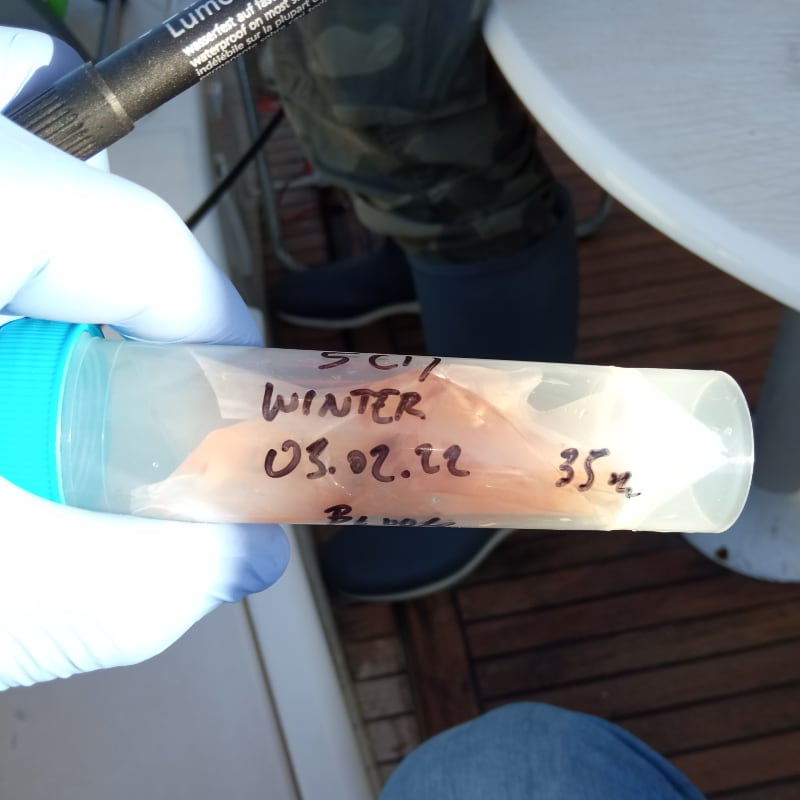
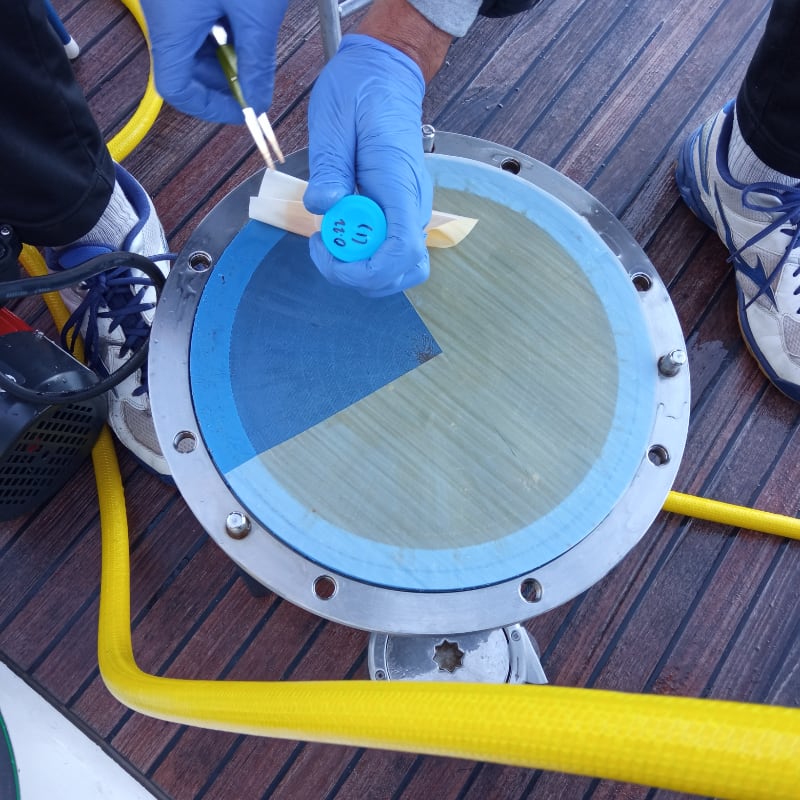
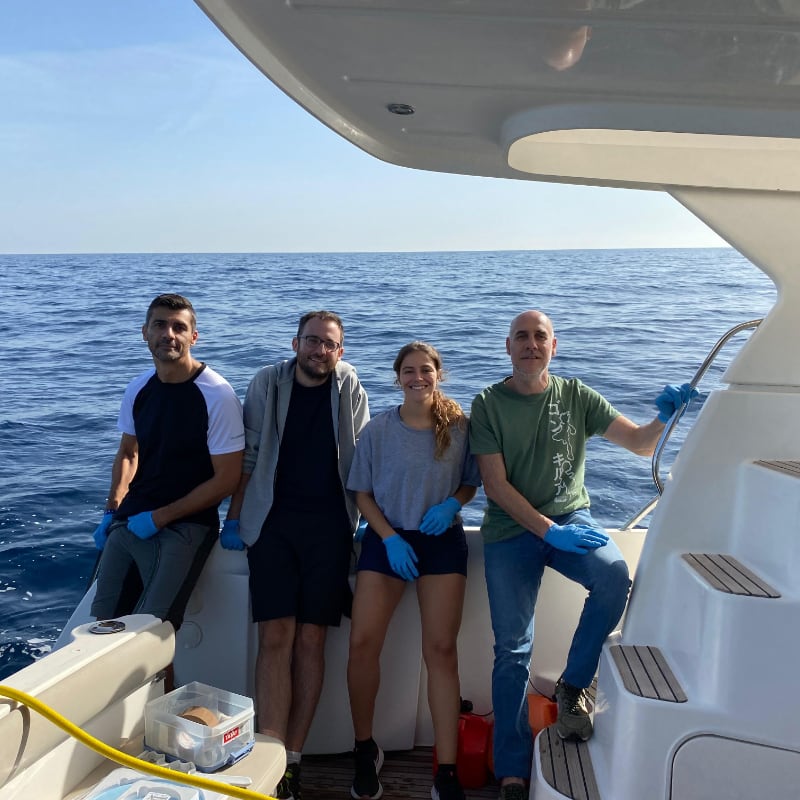
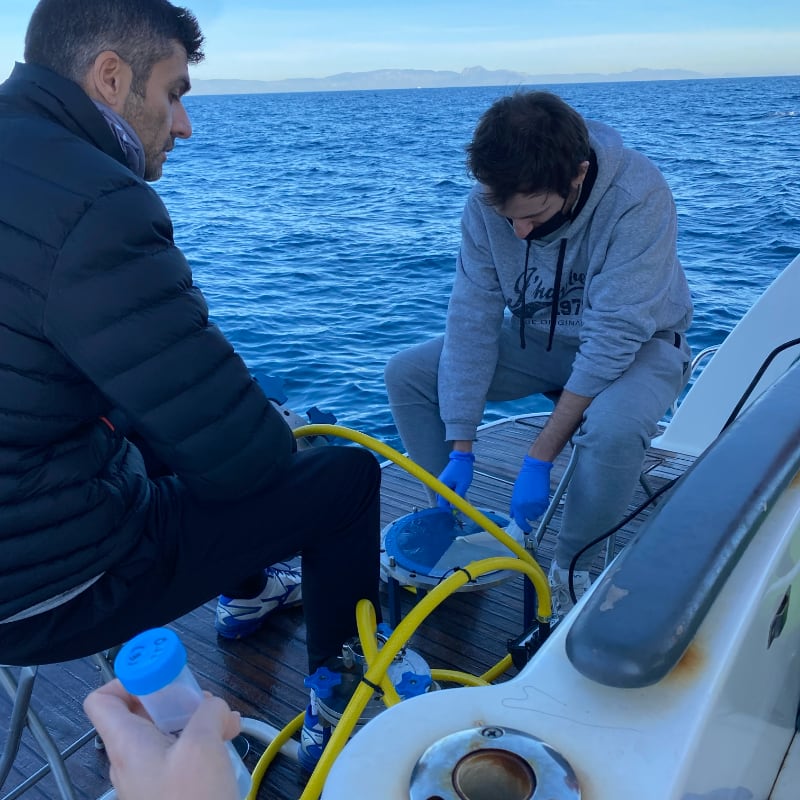
EXPLORING THE FLEXIBLE GENOME OF STREAMLINED PROKARYOTES BY THIRD GENERATION METAGENOMICS (FLEX3GEN). 01/09/2021-01/09/2024.
The pangenomic structure of bacteria provides a transformative perspective on bacterial evolution, with significant implications for prokaryotic population genetics, genome dynamics, and practical applications. In this project, we aim to explore the bacterial flexible genome to address three fundamental questions in microbiology: (1) how bacterial populations evolve and are structured (population genomics), (2) how bacteria adapt to their environments (genome dynamics and fluidity), and (3) how they interact with other biological entities (higher-level genomic interactions). To achieve these goals, we will employ an integrated methodology combining third generation long-read sequencing, comparative genomics, metagenomics, and computational biology. This comprehensive approach will enable us to construct a robust model of bacterial evolution, with direct implications for both biomedical and biotechnological applications. Our research will focus on some of the most abundant microbes on Earth—those with streamlined genomes. These microbes are pivotal players in microbial ecosystems and are relatively well-characterized in terms of ecology and, more recently, individual genomics. Their prevalence in natural environments also makes them highly amenable to metagenomic analysis, further facilitating detailed study of their evolutionary dynamics and ecological roles.
This work was supported by grant “FLEX3GEN” PID2020-118052GB-I00 (cofounded with FEDER funds) from the Spanish Ministerio de Economía, Industria y Competitividad.

Microbial Genomics and Evolution
VISITING ADDRESS
Universidad Miguel Hernández. Edificio Muhammad Al-Shafra. Dpto. Producción Vegetal y Microbiología.
Ctra. Alicante-Valencia N-332, s/n. San Juan de Alicante, Alicante (Spain) – CP 03550